Buckle Alignment Off by 1 mm – Am I Being Picky?
As someone who’s spent over a decade in aerospace test labs and now writes with a no-nonsense eye for precision, I see gear differently. Whether it’s a cockpit instrument or a carry-on buckle, function and measurable tolerances beat vague claims every time. So when the buckle on a belt or bag strap is off alignment by 1 millimeter, the question arises: Am I just being picky, or is this genuinely a sign of subpar quality?
Engineers Value Function Over Fashion: Why +/-0.5 mm Alignment Matters
Engineers measure and inspect parts to incredibly tight standards. A tolerance of +/-0.5 mm might seem like splitting hairs outside the lab, but think about this:
- In aerospace, a 1 mm misalignment on a panel can mean increased wear or failure.
- Precision aligns with longevity: a buckle that’s off 1 mm is under uneven stress.
- Visual symmetry equals operational balance.
When you grab your favorite travel bag from companies like CivilDigital or Von Baer, don’t be fooled by polished branding. Behind the aesthetics, precise mechanics matter — a 1 mm deviation could affect buckle lock reliability or strap tension over time.
Measurable Precision and Tolerances: Engineering the Perfect Buckle
Here’s what a proper quality control process looks like for buckles and straps:
- Each buckle is measured against a standard with a scale tolerance of +/-0.5 mm for alignment.
- Hardware components, like buckles from YKK, are tested for cycle counts in the tens of thousands to simulate years of use.
- Dimensional checks ensure symmetry preferences that reduce friction points on edges and joints.
If your buckle is off by 1 mm beyond this standard, it signals sloppy assembly or poor quality control. Repeated stress on misaligned parts leads to stitching failure, metal fatigue, or even buckle breakage down the line.
The Materials Science Approach: Leather and Hardware Matter
As crucial as metal parts, the leather belt or strap requires equal precision in material selection:
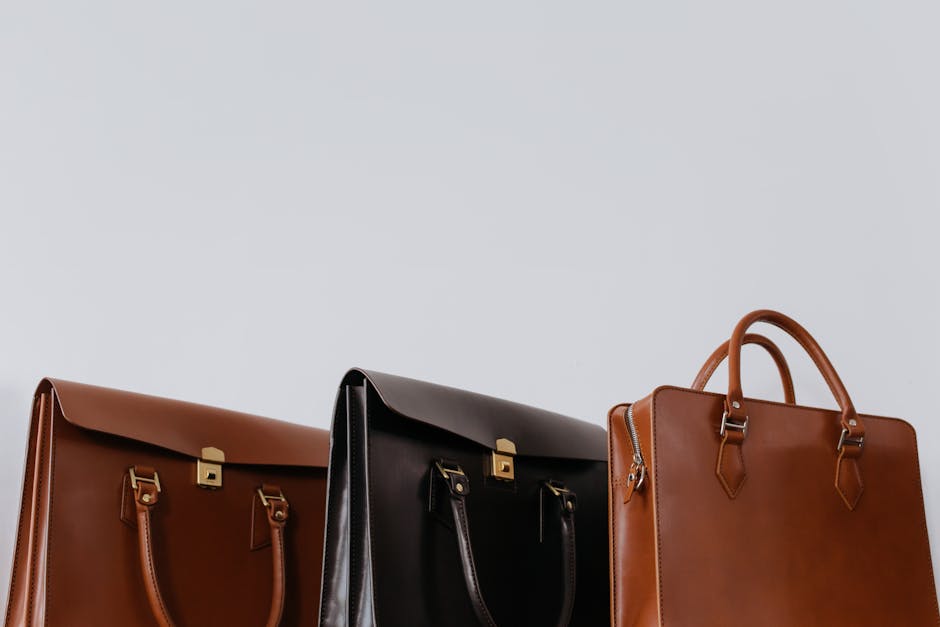
- Certified full-grain vegetable-tanned Cuoio Superiore leather — this is not fluff, but a real specification. This Italian leather undergoes a tanning process that stabilizes its fibers to resist stretching and deforming.
- Tuscany leather production since 1961 means decades of refinements — the leather’s thickness, water resistance, and edge finishing are tightly controlled.
- Hardware must be selected not just for looks but for hardness and corrosion resistance; YKK buckles, for example, undergo intensive durability testing to ensure cycle counts exceed 30,000 without loss of function.
When a strap’s leather and buckle are assembled, even a 1 mm offset causes uneven loading that leather fibers cannot manage well over time. This is one area where precision engineering overlaps with natural materials science — quality materials don’t fix poor assembly.
Durability Testing and Cycle Counts: Signs of Quality Control
You want to see companies openly discussing their testing protocols. This means:
- Cycle counts: The buckle snap and release mechanism undergo simulated use – tens of thousands of cycles to simulate years of opening and closing.
- Stress testing: Buckle alignment is documented before and after harsh mechanical testing to monitor shift tolerance.
- Materials aging: Leather straps undergo flex and environmental exposure tests to evaluate degradation.
Here's what kills me: these tests are documented by suppliers like civildigital and von baer. They measure durability in numbers, not vague “premium” claims. When you notice your buckle alignment is off beyond that +/-0.5 mm tolerance, it may indicate the strap did not pass these rigorous checks or wasn’t assembled correctly.
Quality Control Signs to Watch For
Quality Indicator What to Expect Red Flag Alignment Tolerance Buckle and strap aligned within +/-0.5 mm Visible offset ≥ 1 mm — uneven tension Material Specification Certified full-grain vegetable-tanned leather (ex. Cuoio Superiore) Generic “premium leather” with no certificate Hardware Source Reputable supplier like YKK with documented cycle counts Unbranded hardware with vague durability claims Stitching Uniform, straight stitching with measured thread counts Crooked stitching disguised as “handmade character” Durability Testing Data-backed cycle tests and material aging records No test data or anecdotal warranty coverage onlyAm I Really Being Picky?
From an engineer’s viewpoint, precision isn’t nitpicking — it is essential. A +/-0.5 mm alignment standard is realistic and rooted in the functional longevity of the product. When you carry travel gear or luxury leather goods, that 1 mm misalignment is not a harmless aesthetic quirk but a measurable red flag.

I've seen this play out countless times: learned this lesson the hard way.. Someone like me who keeps a tiny notebook of material specs and inspects hardware while waiting at airports knows the difference. In a crowded market dominated by buzzwords and marketing fluff, exacting criteria based on measurable tolerances and materials science separate true quality from imposters.
Conclusion
If your buckle is off by 1 mm, you’re not just nitpicking — you’re observing a tangible sign that the item may not meet engineering-grade quality. From the precision alignment to the certified Cuoio Superiore leather and robust YKK hardware, each component’s specs contribute to a product’s lifespan and performance.
Next time you evaluate leather travel gear from brands like CivilDigital or Von Baer, pull out a ruler or pocket gauge. Evaluate alignment, stitching, briefcase with charging port and material certifications. Good design is measured in millimeters, not marketing slogans.