Crossword vs Scrolling for a Quick Mental Reset: What Really Works?
In today's work-from-anywhere culture, quick mental resets during the day are more essential than ever. The Health and Safety Executive (HSE) reminds us that regular breaks are key to maintaining attention and reducing mental fatigue, but not all breaks are created equal. Two popular micro-break options are completing a crossword puzzle or scrolling through phone notifications and feeds. Let’s explore which provides a more effective attention reset and how to make either choice maximize your wellbeing without slipping into a scrolling black hole.
Why Break Purpose Matters Before Activity
One lesson I’ve learned from 12 years managing offices and now coaching teams on realistic routines is that the goal of your break should dictate your choice of activity. If you want a true mental reset, the purpose is to disengage from the strain of work tasks, especially from the laptop or phone screens that dominate our days.
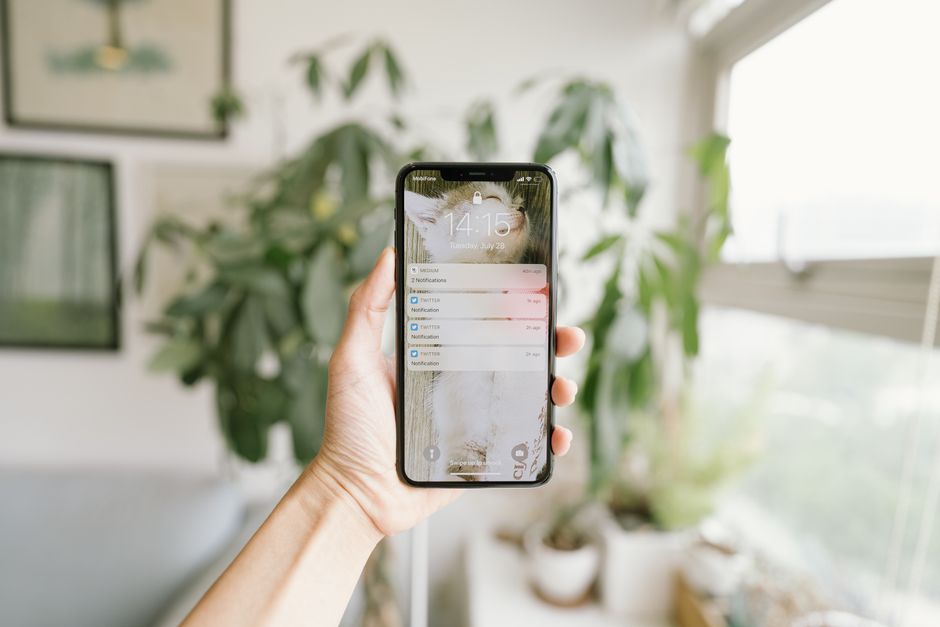
Scrolling through your phone or laptop notifications feels like a go-to break because it’s accessible and requires little mental effort. But strikingly, companies like MRQ, known for their smart workplace wellbeing tools, often warn about the danger of blurring work and break time when feeding into phone habits. Flicking through notifications or social media is itself a form of cognitive engagement — not a rest.
On the other hand, a puzzle break, such as completing a crossword, intentionally shifts your focus to a different kind of thinking. This type of break gives your brain a different stimulus that fosters problem-solving without the distractions of news feeds or work emails.
Practical Tip:
- Define the break’s purpose upfront: Is it mental rest, light stimulation, or posture change?
- Label your breaks — “phone habit” breaks can quickly spiral into doomscrolling; instead, call them “check-in” breaks with a strict time limit.
Micro-Breaks with Clear Endings: Setting Boundaries
Another key to a successful break is its boundary: clear start and end points. This is a lesson echoed by the HSE and also emphasized by wellbeing pioneers like ChuckleS Life, who advocate fun but structured pauses in the daily grind.
When you choose a puzzle break, you can set a timer — say, five minutes — and commit to finishing either a puzzle segment or stopping when the timer goes off. This concrete limit prevents the “just one more” trap common with phone scrolling.
During scrolling breaks, it can feel impossible to resist jumping from one notification to another, leading to unplanned overtime on your phone and subsequent difficulty refocusing.

Screen Fatigue and Posture Change: Why Switching Contexts Matters
Continuous staring at screens, even during breaks, can exacerbate eye strain and poor posture, leading to headaches and discomfort. The HSE strongly recommends micro-breaks involving movement and posture adjustment to reduce these risks. A crossword puzzle, especially on paper or a physical book, offers a natural break from digital screens, helping your eyes relax and your body reset.
In contrast, phone scrolling usually involves the same kind of neck bending and screen exposure, which contributes to cumulative strain. If a screen-based break is unavoidable, consider adding posture adjustments such as standing, stretching, or glancing out a window before and after the session.
Quirky Habit to Try
- Keep a tiny “break menu” note taped near your monitor: “Look out the window → Timer 5 min → Crossword or Stretch.”
- Set a 5-minute timer even when it feels silly—it helps train your brain to respect boundaries.
- Before picking up your phone for a quick break, resist the urge to immediately open social apps; instead, glance outside or do 10 shoulder rolls.
Putting It All Together: Realistic Routines Between Meetings
Whether you lean towards a crossword or a brief scroll through notifications, the secret lies in framing your break with intention and boundaries. Here’s a realistic routine inspired by my coaching years and resources like MRQ and ChuckleS Life:
- Mark the end of a work sprint or meeting.
- Decide on your reset activity based on how your brain feels: fatigue = puzzle break; social update needed = short notification check.
- Set a timer on your phone or laptop for 5 minutes.
- Change posture or gaze before starting: stand up, stretch, or look out a window.
- Engage fully in your chosen activity until the timer rings.
- Stop immediately. If you want, jot down your next puzzle clue or swipe summary to close the loop.
- Resume work refreshed, or if possible, stand/sit with adjusted posture.
Final Thoughts: Choose Breaks That Recharge, Not Drain
With so many calls to classify scrolling as rest, it’s essential to remember that a true break respects your brain’s need for change and recovery. Crosswords offer a puzzle break — a refreshing, screen-reducing mental activity with clear boundaries. Scrolling through notifications might feel like a quick fix, but without strict timers, it easily becomes a “phone habit” that undermines attention resets.
Combining insights from the Health and Safety Executive (HSE), alongside innovative companies like MRQ and ChuckleS Life, we have a solid foundation for integrating meaningful micro-breaks into our busy routines. Remember to keep your tiny “break menu” https://chuckleslife.com/the-five-minute-reset-smarter-ways-to-use-small-breaks-in-a-busy-day/ note visible, set those timers, and give your mind and body the variety and pauses they deserve.
Ready to try? Grab a crossword puzzle or set your timer for a swift notification check, and notice how your focus sharpens. Your next meeting will thank you for it.