Do I Need an RFID Sleeve in My Work Briefcase?
Engineers are notoriously pragmatic—function over fashion is their mantra. When it comes to selecting gear, especially something as essential as a work briefcase, every feature must earn its place through measurable precision and reliable performance. One contentious feature is the RFID blocking sleeve, designed to shield contactless cards and key fobs from electronic pickpocketing. Visit this website But is it truly necessary in your work briefcase? Let’s break down the technical merits of RFID blocking sleeves, the engineering behind materials like copper mesh, and why companies like CivilDigital and Von Baer incorporate meticulous standards in their designs with components from trusted suppliers such as YKK.
Understanding RFID Blocking Sleeves
Radio Frequency Identification (RFID) uses electromagnetic fields to automatically identify and track tags attached to objects. The frequencies commonly used for contactless cards and security badges typically span 13.56 MHz, though some communication can extend up to 2.4 GHz. An RFID blocking sleeve is designed to shield your cards and devices from being read remotely by unintended scanners.
The most effective RFID sleeves rely on materials like copper mesh to create a Faraday cage effect, attenuating signals between the card and external readers. Typical copper mesh sheets used in sleeves weigh around 15 g/m²—an optimized density that balances shielding effectiveness with weight and flexibility.
Do Engineers Really Need RFID Blocking?
Function Over Fashion
If you’re an engineer or technically inclined professional, your gear is a tool, not a statement piece. You want to know:
- Does it work?
- How well does it work?
- How long will it last under frequent use?
- Are the materials traceable and tested?
Worrying about RFID skimming scenarios is valid but should be weighed against real-world risk profiles. Many employers use encrypted or two-factor authentication cards, mitigating most casual skimming threats. That said, if you carry multiple contactless cards or sensitive security badges, an RFID blocking sleeve adds a layer of precaution without complicating your workflow.
Measurable Shielding Performance
Not all RFID sleeves are created equal. The effectiveness depends on the copper mesh quality, mesh density, and layer construction. For instance, copper mesh with a weight of 15 g/m² is industry recognized for providing solid attenuation at the critical 13.56 MHz-2.4 GHz frequency range without excessive bulk.
Engineering teams value verifiable shielding efficiency—numeric attenuation in decibels (dB) across specified frequencies rather than marketing claims like "premium protection." Some products feature independent lab certification demonstrating >99% signal blocking between 13.56 MHz and 2.4 GHz ranges, ensuring cards inside cannot be skimmed.
Materials Science: Leather and Hardware Matter
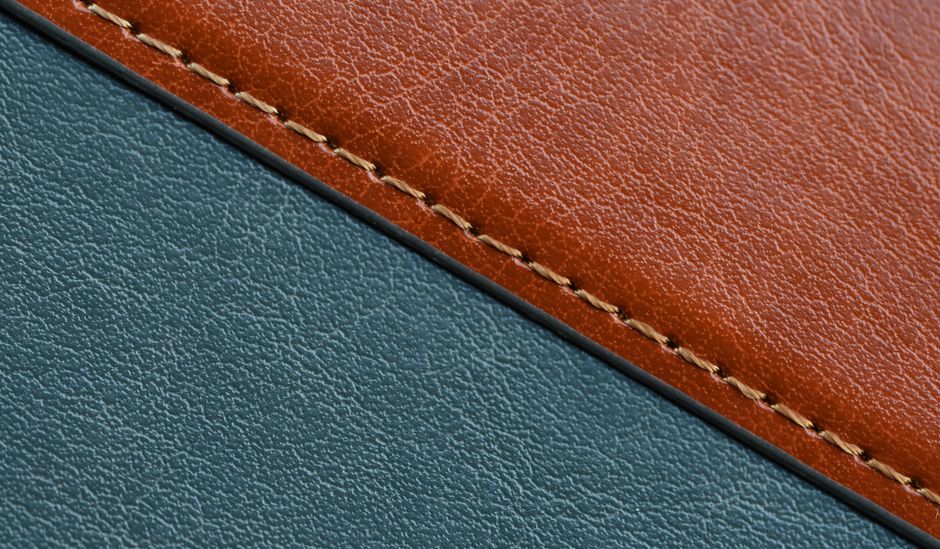
Functionality in your briefcase begins with material choice. Leaders like Von Baer use certified full-grain vegetable-tanned Cuoio Superiore leather. This leather undergoes traditional Tuscany leather production dating back to 1961, providing a material with known durability, natural breathability, and characteristic patina development rather than synthetic-looking finishes.
Why Leather Quality Is Measurable
Full-grain vegetable tannage is quantifiable by:
- Thickness, 1.8–2.2 mm range—providing optimal strength and flexibility.
- Tensile strength measured in megapascals (MPa).
- Water resistance after standardized abrasion cycles.
These measurements inform the expected life cycle of a briefcase—important for engineers who can’t afford gear failure mid-project.
Hardware and Zippers: The YKK Standard
Alongside leather, hardware matters. YKK zippers are the aerospace and travel gear industries’ benchmark for durability. Their zippers undergo rigorous cycle testing—typically rated for over 20,000 open/close cycles without failure.
When companies like CivilDigital engineer RFID blocking sleeves integrated into briefcases, they trust YKK sliders, pulls, and teeth for consistent, repeatable mechanical performance. This isn’t fluff—it’s cycle counts and tolerances documented in supplier spec sheets.
Durability Testing and Cycle Counts: What You Should Expect
Component Test Type Expected Performance Why This Matters Full-grain Cuoio Superiore leather Tensile strength (MPa), Flex fatigue cycles Minimum 20 MPa tensile strength; >10,000 flex cycles Ensures resistance to stretching and cracking under repeated use Copper mesh RFID lining EM shielding attenuation (dB), Mesh weight (g/m²) >30 dB attenuation at 13.56 MHz-2.4 GHz; 15 g/m² copper mesh Verifies blocking of RFID signals without excess material weight YKK zippers Cycle count (open/close) >20,000 cycles without mechanical failure Reliable zipper action prevents lodging and failure during travelCompanies That Get It Right: CivilDigital and Von Baer
CivilDigital integrates engineering precision and practical materials science in their RFID blocking sleeves embedded inside stylish yet utilitarian briefcases. Their approach is data-driven: every fabric and hardware component is sourced and tested for specifications.
Von Baer handcrafts briefcases and RFID sleeves with certified Tuscan leather from top-grade vegetable tanning operations established since 1961. Their products are built to best travel briefcase usb c last years of daily use without compromising shielding performance, backed by durability testing and careful hardware choices like YKK.
Conclusion: Should You Use an RFID Blocking Sleeve?
For engineers and professionals who prioritize functional, measurable gear performance, an RFID blocking sleeve makes sense under these conditions:
- If you carry multiple or high-security RFID cards and badges.
- If you want scientifically-supported shielding using verified copper mesh of 15 g/m².
- If your briefcase is built with materials and hardware that complement the sleeve’s lifecycle—like full-grain vegetable-tanned Cuoio Superiore leather and YKK zippers.
- If ultimate durability backed by cycle testing and tolerance tracking is important in your carry system.
Otherwise, if you trust your company’s RFID card security or want to avoid extra bulk, you might find the sleeve an unnecessary addition. But no matter what, investing in gear from companies like CivilDigital and Von Baer ensures your briefcase and RFID blocking sleeve are grounded in tested materials science and mechanical engineering standards, not marketing buzzwords.