How Do I Host a Holiday Game Night in One Room Only?
A holiday game night does not need a sprawling house, a dedicated game room, or a schedule tight enough to make everyone feel like they’re at a work meeting. One comfortable room can do the job—as long as you give people clear places to land, keep snacks and drinks away from game components, and let the evening breathe.
The trick is to think in zones, not square footage. A dining room can hold the main game, a sideboard can handle food and drinks, and a cooler can keep extra beverages close without turning the table into a drink station. If football is on, the broadcast gives you a useful rhythm for the night: quick games before kickoff, a longer game during a quieter stretch, and a flexible reset at halftime.
Here’s how to build a practical one room game night setup that feels festive, works for different attention spans, and helps you keep the party in one room—without losing game pieces to couch cushions or letting greasy snacks make a run at the cards.
Start With the Room, Not the Game Shelf
Before you pick games, take a quick look at the room as if you were arriving as a guest. Where will coats go? Where can people set down a drink? Is there a clear path from the door to the seating area? Can someone grab a snack without leaning over a player’s hand of cards?
I assign a coat spot as soon as people arrive. It sounds like a small thing, but coats slung over chairs can shrink your seating and make the room feel cluttered before the first game is even opened. Pick a bedroom, closet, or entryway for coats, then tell guests where to put them. The goal is for the gathering itself to stay in one room—not for every bit of household storage to move in there too.
Next, create three simple zones:
- Play zone: The dining table or another stable surface where the main game will happen.
- Refreshment zone: A sideboard, counter, or small table for snacks, napkins, and drinks.
- Relax zone: A sofa or a couple of chairs for anyone who wants to watch football, chat, or take a break between rounds.
These zones can be close together. They just need distinct jobs. When the food and drink zone is separate from the board, guests don’t need to pass a bowl of saucy dip over a game in progress. And when the relaxed seating faces the TV, people can follow the broadcast without hovering over the players.
Make the Dining Table Work for Game Night
A dining room game night is convenient because the table is already built for gathering. It gives everyone a shared surface, keeps the game at a comfortable height, and can make even a small group feel like the evening has a natural center. But a dining table usually has to do double duty: serving food, hosting drinks, and holding the game all at once.
For a smoother setup, clear the table before guests arrive and decide whether it will be a game surface or a serving surface. If you want people to play there, keep the main meal and buffet on the sideboard or another nearby surface. Use a tablecloth only if it stays flat and won’t snag cards or game pieces; a bare, clean table is often the simplest option.
If your table needs to support both dining and gaming regularly, Bandpass Design’s Dresden board game dining table is one product to look into. It is designed with board gaming and dining in mind, which may suit households that want a dedicated place for both activities. Check Bandpass Design for current product details and availability before making plans around a particular model or configuration.
One important note for anyone comparing furniture or shopping from search snippets: the scraped text available for The Dresden table and other products does not list prices. Don’t assume a price, and don’t treat an absent figure as a discount or a complete product listing. Confirm current pricing, specifications, and purchase details directly with the company.

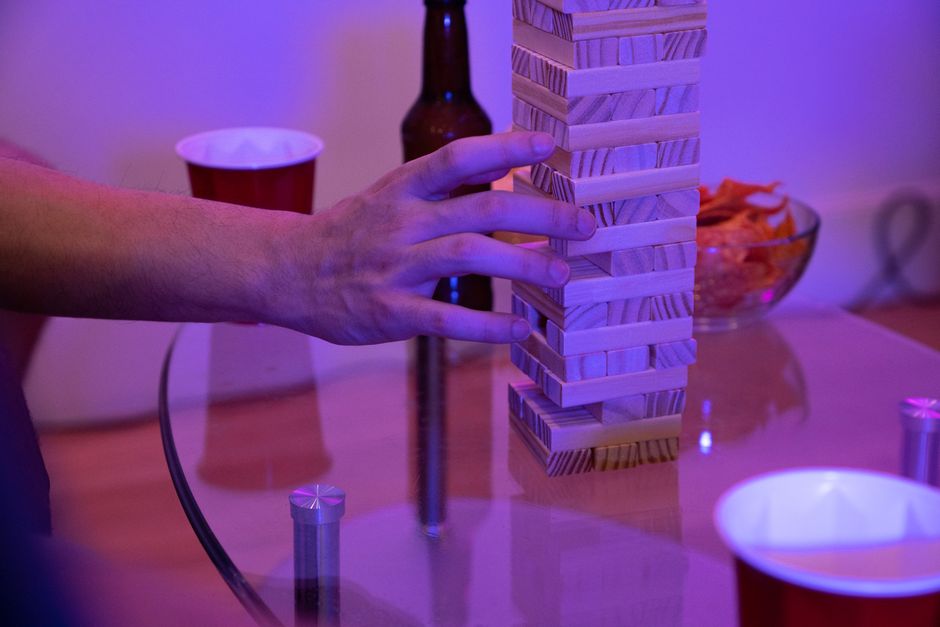
Use Football as the Event Clock
If you’re hosting during an NFL game, the broadcast can give the evening a loose structure without ticket to ride game night forcing you to schedule every minute. Football has natural pauses—quarters, timeouts, halftime, reviews, and commercial breaks—that make it easy to shift between play, snacks, and conversation.
Think of the game as an event clock rather than a strict agenda. Guests can arrive before kickoff, settle in, and play something short while everyone gathers. Once the broadcast starts, move into a game that can handle interruptions or leave a clear spot for people to watch. Halftime is a good moment for a snack refill, a quick group game, or a reset before the second half.
Football moment What to do Game-night fit Before kickoff Welcome guests, hand out drinks, and explain the room setup. A short, easy-to-teach game for early arrivals. First half Let the broadcast and the table share attention. A game with flexible turns and simple pauses. Halftime Refresh snacks, clear dishes, and check whether guests want to switch activities. A quick party game or a brief round of a familiar favorite. Second half Keep the plan flexible; people may settle in to watch or return to the table. A game that can be paused, shortened, or left between rounds.Commercial breaks are useful for a quick bathroom trip or drink refill, but they are not a promise that everyone will be back in seconds. Avoid starting a complicated game that punishes a late return. And don’t plan your biggest activity to begin precisely at halftime: the broadcast, food, and conversation may all compete for attention at once.
Match Games to Attention Span and Time Windows
The best holiday game night isn’t a test of how many games you can get through. It’s a mix of options that lets guests join in at different levels. Some people will be ready to focus on strategy; others will want to chat, watch football, or play one easy round and call it a win.
Pick a small lineup before the party—usually two or three games is plenty. Keep the boxes closed until you are ready to play. Dumping out every game at once creates clutter, makes it harder to find components, and can leave the room feeling like a game-store clearance table. I also have a standing rule: game pieces stay on the table, not in the couch cushions. A tray or bowl for loose pieces helps during breaks.
- Choose a warm-up: Select a familiar, short game that late arrivals can join without a long explanation.
- Pick a main option: Choose something that fits the group’s interest and the evening’s available attention. If football is on, consider a game that tolerates pauses.
- Keep a backup: Have a quick, low-pressure game ready for halftime or for the moment the main activity naturally ends.
- Explain before dealing: Give the rules in a few clear steps, then start. If the group needs more detail, add it as it becomes relevant.
It also helps to choose a stopping point in advance. A game that can end after a round, a hand, or a short scenario is less likely to collide with dinner, kickoff, or a guest’s departure. Let people know the plan casually: “We’ll play one round before the game starts,” or “Let’s pause at halftime and see what everyone wants to do.” That gives the evening shape without making it rigid.
Build a Spill-Proof Drink Strategy
Drinks and game tables can coexist, but they need a little choreography. A coaster is not a full spill-prevention system, but it is a good start—and I keep a stack within reach like it’s part of the official rules. Put one at every seat before guests arrive so nobody has to ask where to set a glass.
For a reliable spill-proof drink strategy, make the default drink placement outside the play area. Put drinks on the sideboard or a small nearby table. If someone wants a drink at the table, use a coaster and place the glass away from cards, boards, and shared components. Cups with lids are a smart option for guests who are moving around or watching the game from the sofa.
- Keep open bottles, cans, and glasses off the board and away from cards.
- Offer napkins and a water bottle or pitcher at the refreshment zone.
- Use a cooler for extra drinks so guests aren’t opening the refrigerator in another room.
- Keep the cooler out of the main walkway, and ask guests to pour or set down drinks at the sideboard.
- Skip greasy snacks at the game table. Serve them with small plates, or choose less messy options for players.
This setup prevents one of the most common hosting headaches: people refilling drinks over the board. Put a simple sign or note near the drink area if it helps—“Refills at the sideboard, please”—and mention it with a smile. The aim is not to make a house rulebook for your guests. It’s to keep a tipped drink from turning a relaxed game into an emergency card-drying operation.
Make Snacks Easy to Reach, Not Easy to Spill
For a one-room gathering, snacks should be accessible without crowding the play surface. Use small bowls or plates on the sideboard, and put serving utensils beside anything that needs them. Refill in modest batches rather than covering every available surface with food before anyone arrives.
Choose a mix that suits your crowd and the games you’re playing. Drier, bite-size snacks are less likely to leave residue on fingers than saucy or oily foods. If you’re serving something messy, make it a standing snack at the sideboard, with plates and napkins close by. A clear place to discard napkins and wrappers is just as useful as a place to pick up a snack.
Think about traffic, too. The refreshment zone should be reachable without guests squeezing between seated players. If the room is tight, put drinks at one end of the sideboard and snacks at the other, or set up a simple one-way path around the table. A few feet of clear floor can make a small room feel much more generous.
Give Guests a Simple Arrival Routine
When people walk in, a friendly first minute can prevent a lot of mid-game questions. Welcome them, point out the coat spot, show them where the drinks and snacks are, and let them know where the game table is. If football is on, mention whether you’re starting with a game before kickoff or letting everyone settle in first.
Keep the room easy to read. Put extra chairs where they are needed, make sure the TV can be seen from at least some seats, and leave enough space for someone to step away without interrupting play. If a guest doesn’t want to play, offer the sofa or another comfortable spot instead of treating it as a problem. A good host makes watching, chatting, and playing all feel like valid ways to take part.
A One-Room Holiday Game Night Checklist
- Clear coats and bags into an assigned spot as guests arrive.
- Set up the dining table for play and reserve the sideboard for food and drinks.
- Put coasters at each seat and keep drinks off the board.
- Use a cooler for extra beverages, positioned away from the walking route.
- Choose a short warm-up, one main game, and one backup—then keep the other boxes put away.
- Use the NFL broadcast’s kickoff, halftime, and natural pauses as loose transitions.
- Serve greasy or messy snacks away from cards and game components.
- Provide a tray or bowl for pieces when a game is paused.
- Leave a comfortable place for guests who want to watch or take a break.
Keep the Plan Cozy and Flexible
A successful one room game night setup is less about squeezing in more activity and more about making the room easy to use. Give the dining table a clear purpose, keep refreshments on the sideboard, use the cooler to make drinks convenient, and select games that suit the group’s changing attention. If football is part of the evening, let the NFL broadcast provide a natural rhythm rather than competing with it for every minute.
Most of all, make the room welcoming before the first game begins. A clear coat spot, a stack of coasters, snacks that won’t grease up the cards, and a few well-chosen games go a long way. With those small decisions in place, you can keep party in one room, preserve the game components, and give everyone room to join in at their own pace.